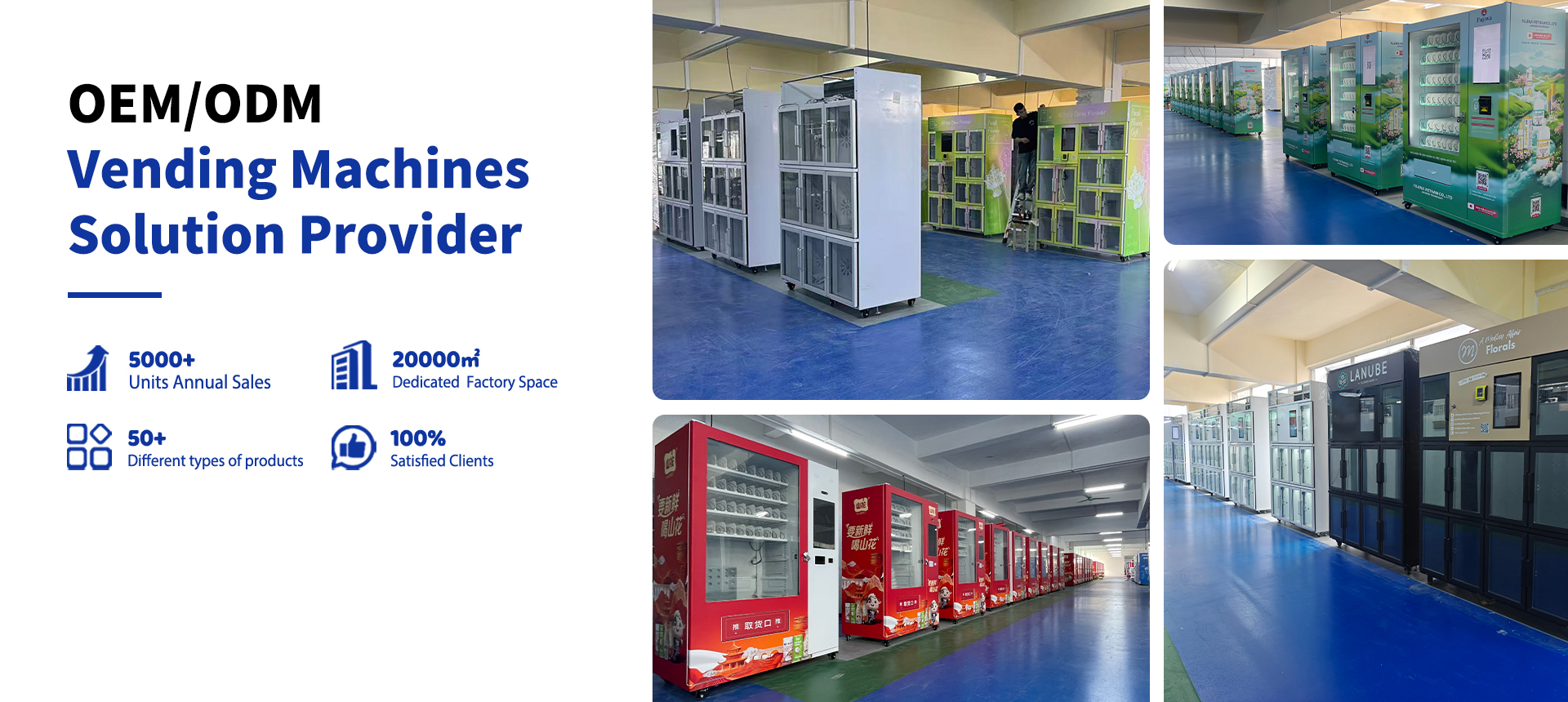
As a vending machine manufacturer, we get this question all the time:
“If we buy your machines, how much is the monthly software fee?”
When we answer “$0. It’s completely free for life,” there is usually a long pause. Then come the follow-up questions: “Are you sure? No hidden fees? Do we still get the sales dashboards, remote pricing, and error alerts?”
We don't blame operators for being skeptical. In today’s vending industry, tying hardware to a perpetual SaaS (Software-as-a-Service) subscription has become the unspoken industry tax.
Operators are already out there hustling—battling for prime locations, paying rising rents, and managing inventory costs. Yet, right when they start turning a profit, a massive chunk of their hard-earned margin gets swallowed up by recurring "system management fees."
Let’s look at this from a manufacturing perspective and talk about the elephant in the room: Does charging a continuous toll for basic operational data actually help the ecosystem, or is it just a barrier to scaling your business?
Vending is fundamentally a game of scale and tight margins.
On a single machine, a $30 or $50 monthly software fee seems negligible. It’s easy to overlook. But when an operator tries to grow and expands to 50, 100, or 500 machines, that "minor fee" morphs into a massive financial drain:
50 machines = $1,500/month = $18,000/year (Money that could buy you 2 to 3 brand new machines).
500 machines = $180,000/year in pure profit wiped right off your balance sheet.
The most brutal part? This is a fixed overhead. If a school goes on summer break, an office building sees a wave of layoffs, or a location underperforms for a month, your revenue drops—but your software bill stays exactly the same. This fixed penalty makes scaling feel incredibly risky.
The standard excuse from manufacturers is: "We charge subscriptions to maintain servers and provide software updates."
But anyone in tech knows the reality. Building a robust vending management system (covering inventory, payment gateways, and machine diagnostics) requires a heavy upfront development cost. Once the system is built, the incremental server and bandwidth cost to support additional machines is practically pennies.
At JFP, we look at it differently: Checking your own sales data, changing a price remotely, or getting a low-stock alert isn't a premium "add-on." It is a fundamental component of the machine. Think about it this way: If you buy a commercial delivery truck, the manufacturer doesn't charge you a monthly subscription to use the dashboard gauges or the built-in GPS. You bought the vehicle; the tools to run it should belong to you. The baseline software is a core part of the hardware you already paid for.
Why does JFP Vending Factory commit to a permanently free cloud management system?
Because our business model aligns with a very simple truth: A manufacturer’s success should be driven by the client's expansion, not by taxing their daily survival.
Faster ROI on Hardware: Every dollar you save on software fees is pure profit back in your pocket. This shortens your payback period and puts cash back into your business faster.
Fearless Expansion: When adding a new machine to your fleet doesn't trigger an automatic software tax hike, you can aggressively hunt for new locations and outpace your competitors.
We don't play the game of selling cheap hardware just to trap you in a lifetime software contract. JFP delivers an all-in-one product: high-quality intelligent hardware paired with a stable, fully featured, and completely free backend.
Turning basic operational software into a toll road might create beautiful recurring revenue reports for manufacturers, but it suffocates the operators who actually keep this industry alive.
In an economic climate where every penny counts, operators need a supply chain partner who shares the risk, not a digital landlord collecting rent.
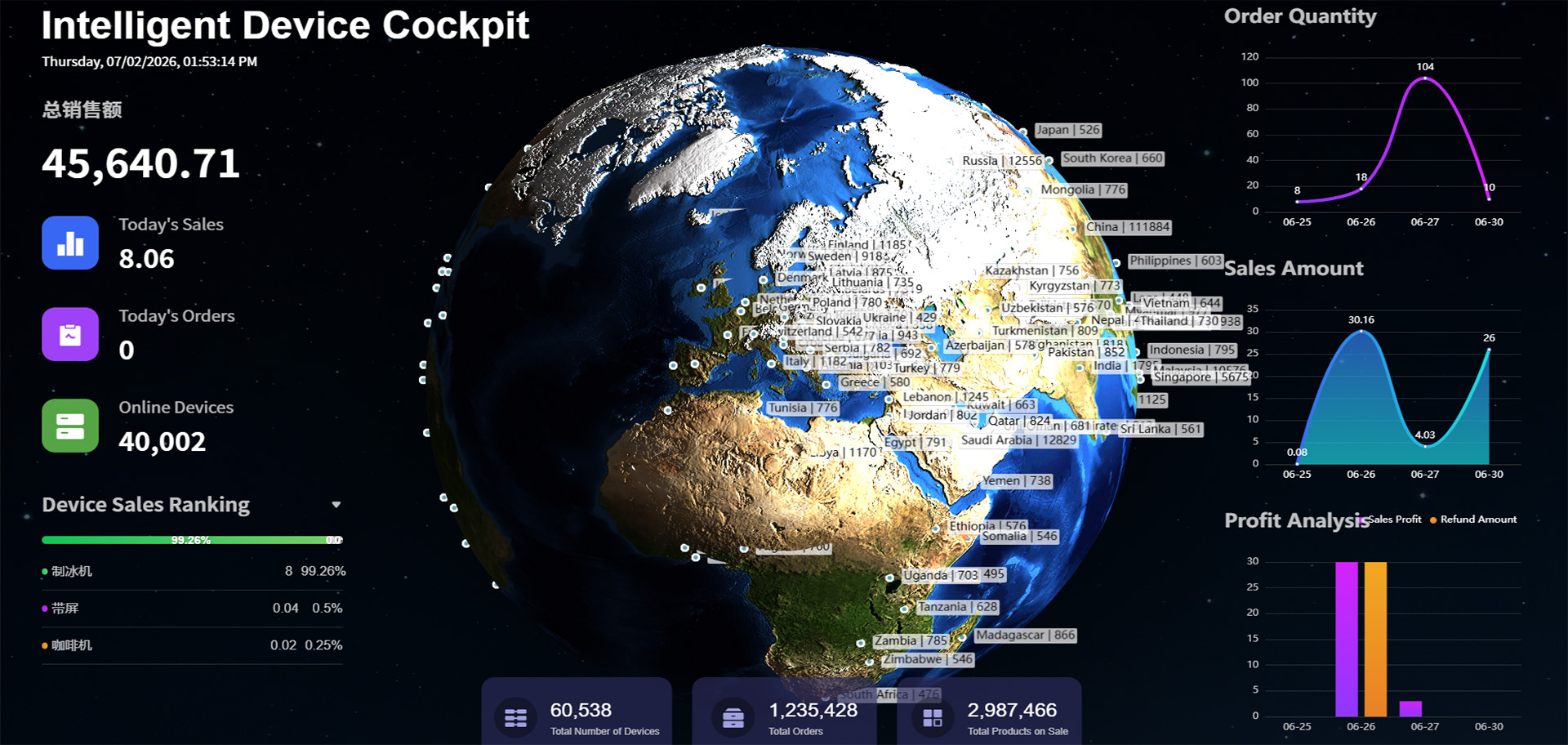
At JFP, delivering the hardware is just the start. Our cloud backend has always been free, is free today, and will stay free.

